

Filter By Brand
- 4CYTE (9)
- Advance (1)
- Amazonia (1)
- Anitone (1)
- Antinol (3)
- Aristopet (1)
- Blue Pet Co (1)
- Bone Radiol (1)
- Cartiflex (1)
- CEN Nutrition (4)
- Crooked Lane Harvest (2)
- Divetelact (1)
- dynavyte (1)
- EAC (2)
- Fidos (1)
- Field Day (1)
- Glyde (1)
- Hemp Pet (1)
- High Horse (2)
- Hills Science Diet (7)
- Homeopet (3)
- Hygain (1)
- IO (2)
- Jenquine (1)
- Joint Guard (1)
- Kelato (1)
- Kentucky Equine Research (2)
- KER (3)
- Kit Cat (10)
- Korure Pets (3)
- Luckeez (1)
- Mavlab (2)
- Natural Animal Solutions (5)
- PAW | Pure Animal Wellbeing (4)
- Poseidon Animal Health (1)
- Proplan (2)
- provex (2)
- Ranvet (1)
- Rose Hip Vital (4)
- Royal Canin (5)
- Salpet (1)
- Sashas Blend (2)
- Shark Net (3)
- Smart Cat (1)
- Stance Equitec (6)
- TuffRock (6)
- Vet Gold (1)
- Vetafarm (2)
- Vetalogica (1)
- VetSense (6)
- Show all brands...
Filter By Life Stage
- Adult
- Senior
Filter By Health Benefits
- Anxiety & Calming
- Bone Health
- Digestive Health
- Food Sensitivities
- Hip & Joint Support
- Hoof & Laminitis Support
- Immunity
- Muscle Health
- Skin & Coat
- Vitamin Deficiencies
- Weight Management
Filter By Food Type
- Dry Food
- Wet Food
Filter By Features
- Natural
Filter By Protein Source
- Chicken
- Salmon
Pet Joint Care
From ageing dogs to hardworking horses, find vet-recommended joint supplements and mobility support for every animal in your care.
Always read the product label and directions before use. If you’re unsure which parasite protection is suitable for your dog, speak with your veterinarian.
Best matches
Products that match the protection you selected.
Covers your selection + more
These products cover everything you selected, plus additional parasites.
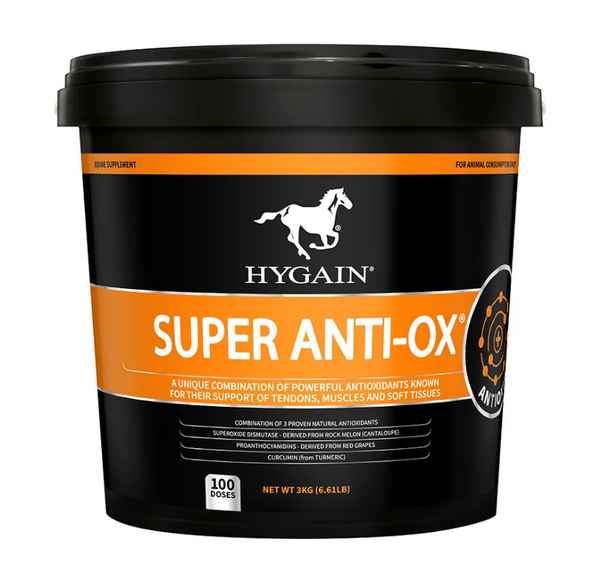
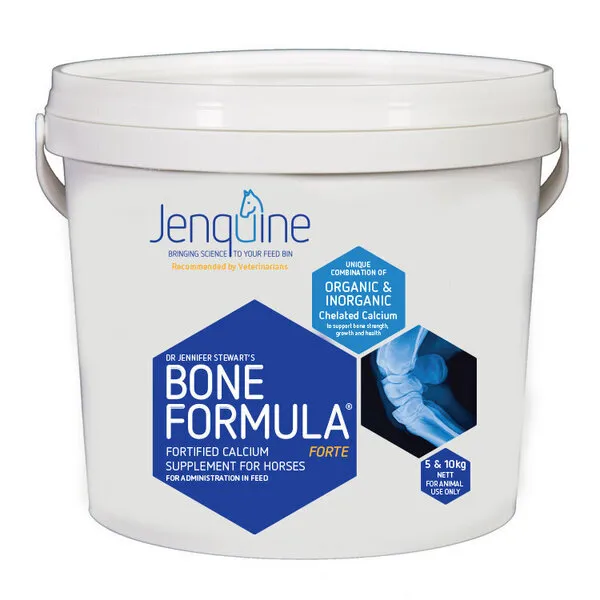


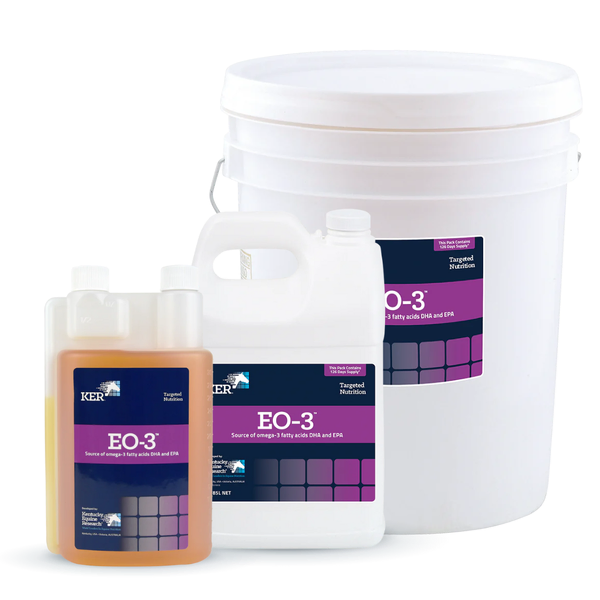
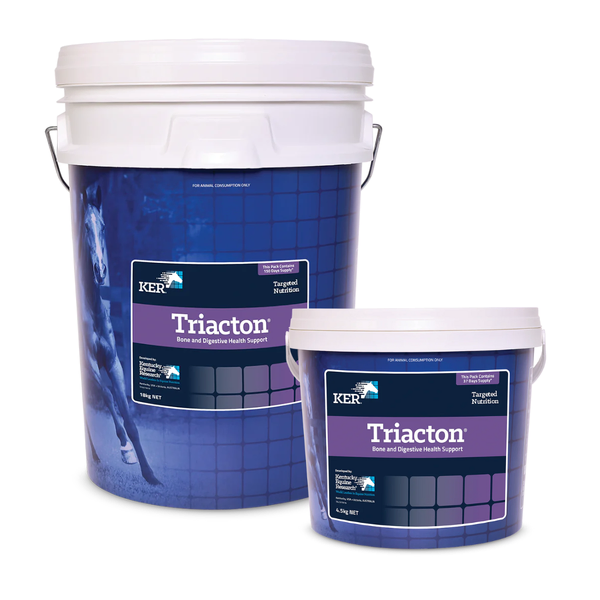
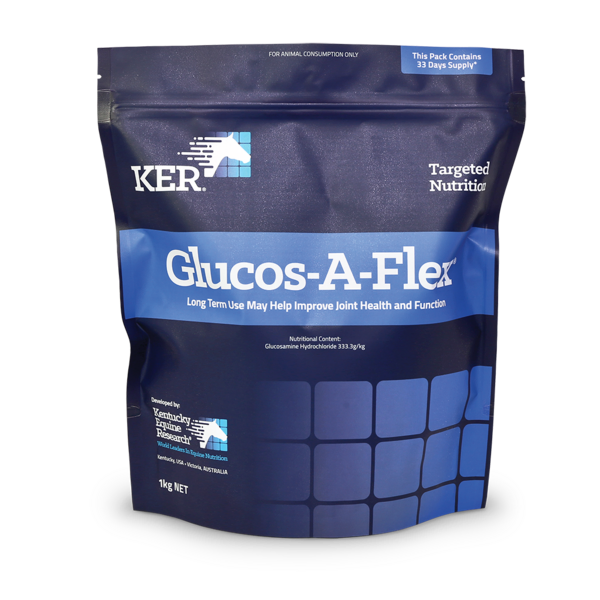
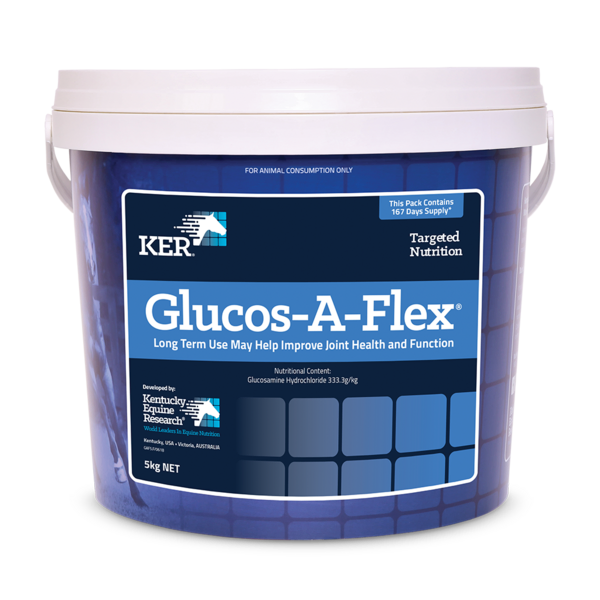
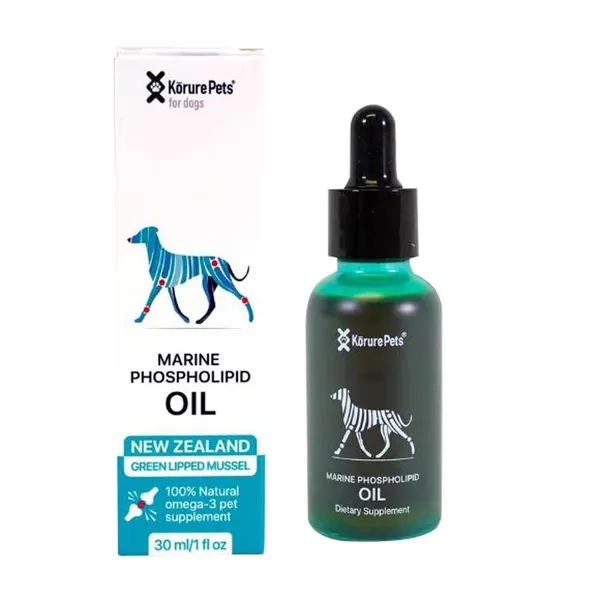
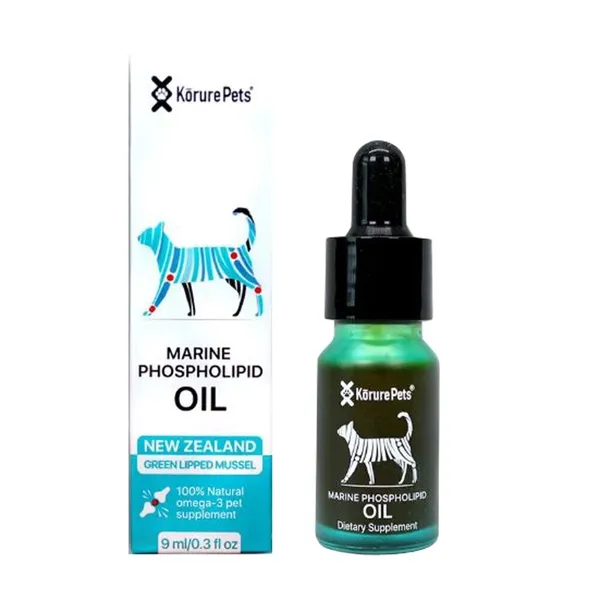
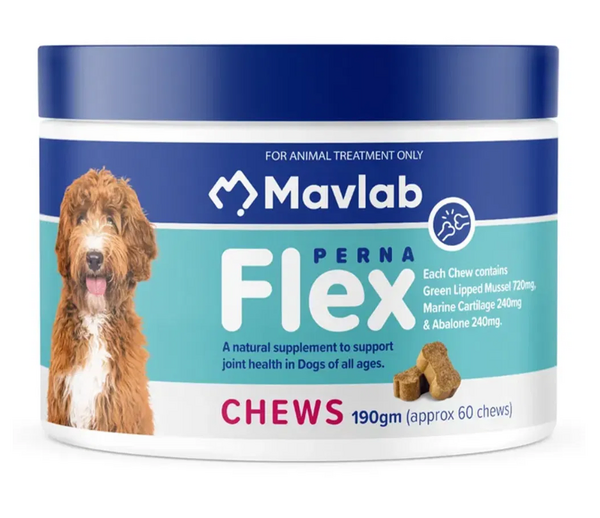
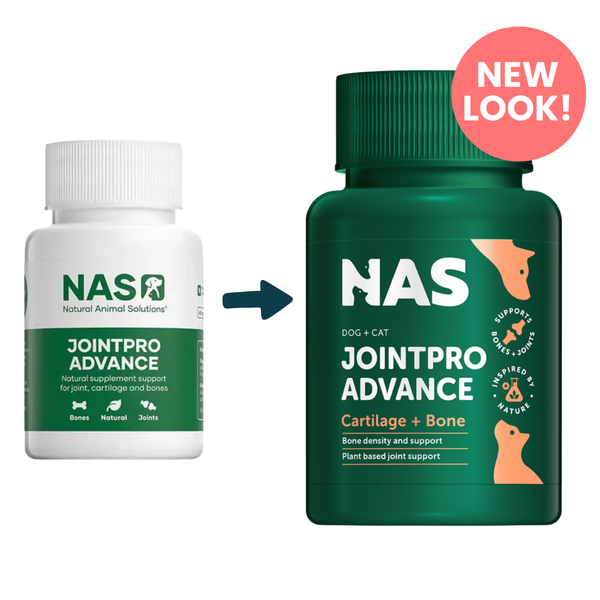
Pet Joint Care - Supplements and Support for Dogs, Cats, Small Animals and Horses
Joint health is one of the most important and most overlooked aspects of caring for an animal. Whether your dog is slowing down on walks, your cat is reluctant to jump up onto the couch, your rabbit is moving stiffly, or your horse is showing signs of discomfort under saddle, the right joint care products can make a real difference to their comfort and quality of life. At The Vet Shed, we stock a wide range of vet-recommended joint supplements and mobility support products for dogs, cats, small animals and horses at every life stage.
Signs Your Animal May Need Joint Support
Animals are instinctively good at hiding discomfort, which means joint problems often go unnoticed until they are quite advanced. Knowing what to look for can help you act early and keep your animal comfortable for longer. Common signs that your pet or horse may be experiencing joint pain or stiffness include:
- Reluctance to climb stairs, jump up, get in and out of the car, or move freely around their environment
- Stiffness after rest, particularly in the morning or after lying down for long periods
- Slowing down on walks, tiring more quickly, or reduced enthusiasm for exercise
- Limping or favouring one leg
- Licking, chewing or paying excessive attention to a specific joint
- Changes in mood, temperament or becoming less playful and interactive
- Muscle loss around the hindquarters or shoulders
- In horses - shortened stride, reluctance to work, changes in gait, resistance under saddle or difficulty moving on a circle
- In small animals - reduced activity, difficulty grooming, changes in posture or reluctance to use certain limbs
If you notice any of these signs, it is worth speaking with your vet or equine veterinarian. Starting joint support early - before serious deterioration occurs - gives the best outcomes and can significantly slow the progression of conditions like arthritis, hip dysplasia and degenerative joint disease.
Key Ingredients in Joint Supplements - What to Look For
The most effective joint supplements contain a combination of active ingredients that work together to maintain cartilage, reduce inflammation and support comfortable movement. When choosing a joint supplement, look for products that contain one or more of the following:
- Glucosamine - helps maintain and repair joint cartilage and supports the production of synovial fluid that lubricates joints
- Chondroitin - works alongside glucosamine to slow cartilage breakdown and improve joint resilience
- Omega-3 fatty acids (EPA and DHA) — sourced from fish oil, these help reduce joint inflammation and benefit overall health
- Green-lipped mussel - a natural source of glucosamine, chondroitin and omega-3s, widely used in veterinary joint supplements for dogs, cats and horses
- MSM (methylsulfonylmethane) - supports connective tissue health and helps reduce pain and inflammation
- Turmeric and curcumin - natural anti-inflammatory ingredients increasingly included in holistic joint formulas for both pets and horses
- Collagen - supports cartilage structure and joint integrity, particularly beneficial for active and growing animals
- Hyaluronic acid - supports joint lubrication and is commonly found in equine joint supplements
Joint Care for Dogs
Dogs are among the most commonly affected by joint problems of all companion animals. Large and giant breeds such as Labradors, Golden Retrievers, German Shepherds, Great Danes and Rottweilers are at particularly high risk of hip and elbow dysplasia, while all breeds are susceptible to arthritis as they age. Active and working dogs place significant demand on their joints throughout their lives and benefit enormously from proactive supplementation. Most vets recommend beginning joint support in large breed dogs from one to two years of age, and in all dogs from around seven years onwards.
- Glucosamine and chondroitin chews, powders and liquids for daily use
- Fish oil and omega-3 supplements to reduce inflammation
- Green-lipped mussel products - a popular and effective choice for dogs
- Joint support formulas for puppies, adults and senior dogs
- Prescription and premium joint support diets for dogs with arthritis
Joint Care for Cats
Feline arthritis is far more common than most cat owners realise - studies suggest the majority of cats over ten years of age have some degree of degenerative joint disease. Because cats are so good at hiding pain and tend to simply reduce their activity rather than display obvious lameness, joint problems in cats are frequently underdiagnosed. If your cat is less active, grooming less, hesitating before jumping, or using the litter tray less consistently, joint discomfort may be a contributing factor.
- Cat-specific joint supplement formulas - always choose products labelled for cats
- Fish oil and omega-3 products safe for feline use
- Palatable liquids and powders that can be added to food
- Environmental modifications such as ramps and low-sided litter trays to support comfort
Joint Care for Small Animals
Small animals including rabbits, guinea pigs and ferrets can also suffer from joint problems, particularly as they age. Joint stiffness and arthritis in small animals can significantly impact their quality of life, affecting their ability to move around, groom themselves and interact normally. Your vet can advise on appropriate products and dosing for your small animal's specific needs.
- Small animal-appropriate joint support supplements
- Omega-3 supplements in liquid form for easy dosing
- Supportive housing modifications to reduce strain on joints
- Always consult your vet before starting any supplement in a small animal
Joint Care for Horses
Joint health is critical for horses of all disciplines - from elite competition horses to pleasure riders and retired equines. The demands placed on a horse's joints through training, competition, hard ground and the natural ageing process make proactive joint support an essential part of equine management. Conditions such as osteoarthritis, ringbone, bone spavin and navicular syndrome are common in horses and can significantly impact performance and comfort. A quality joint supplement programme, combined with appropriate veterinary care and farriery, forms the foundation of good equine joint management.
- Equine glucosamine and chondroitin supplements in powder and pellet form
- Hyaluronic acid formulas to support joint lubrication in performance horses
- MSM supplements for horses in heavy work or showing signs of stiffness
- Green-lipped mussel and omega-3 products for equine anti-inflammatory support
- Combined formulas covering multiple joint health pathways in a single daily dose
- Products suitable for horses, ponies and donkeys
Joint Supplement Formats - Finding What Works for Your Animal
Joint care products are available in a variety of formats to suit different animals and feeding routines:
- Chews and soft treats - palatable and easy to give as a daily treat, most popular for dogs
- Powders - sprinkled over food, ideal for fussy pets and easy to incorporate into horse feeds
- Liquids and oils - easily mixed into wet or dry food, a great option for cats and small animals
- Tablets and capsules - often the most concentrated form, can be hidden in food or given directly
- Pellets - commonly used for horses and ponies, mixed directly into hard feed
- Medicated and joint support diets - available for dogs and cats requiring ongoing management
Frequently Asked Questions - Joint Care for Pets and Horses
At what age should I start my dog on joint supplements?
It depends on the breed, size and lifestyle of your dog. Large and giant breeds can benefit from joint supplements from as young as one to two years of age as a preventative measure. For smaller breeds, many vets recommend starting around seven years of age or earlier if any signs of stiffness are noticed. Starting earlier is always better than waiting for problems to appear.
How long does it take for joint supplements to work?
Most joint supplements require four to eight weeks of consistent daily use before noticeable improvement is seen. Ingredients like glucosamine and chondroitin work by gradually rebuilding and maintaining joint tissue rather than providing immediate pain relief. It is important to give the supplement adequate time before assessing whether it is effective.
Can cats take the same joint supplements as dogs?
No - always use products specifically formulated for cats. Some ingredients that are safe for dogs can be harmful to cats. Cat-specific joint supplements are available in palatable formats that are easy to administer. If in doubt, speak with your vet before starting any new supplement.
Are joint supplements safe for long-term use?
Yes - the majority of joint supplements at The Vet Shed are formulated for safe, ongoing daily use. Glucosamine, chondroitin, fish oil and green-lipped mussel products are well-tolerated by most animals when used as directed. Always follow the dosage guidelines on the product label and consult your vet if your animal has any underlying health conditions or is on other medications.
My dog has been diagnosed with arthritis - will supplements help?
Joint supplements can be a very useful part of managing arthritis, often used alongside anti-inflammatory medications prescribed by your vet. They work best as part of a broader management plan that may also include weight management, gentle exercise, and environmental modifications such as ramps, orthopaedic bedding and non-slip flooring.
What joint supplements are recommended for horses?
The most commonly recommended equine joint supplements contain glucosamine, chondroitin, MSM and hyaluronic acid. For horses in heavy work or showing early signs of joint wear, a comprehensive multi-ingredient formula tends to offer the best support. Your equine vet can advise on the most appropriate product based on your horse's age, workload and any existing joint conditions.
Do I need a vet prescription for joint supplements?
Most joint supplements at The Vet Shed are over-the-counter products that do not require a prescription. However, if your animal has been diagnosed with arthritis or another joint condition, your vet may also recommend prescription medications or specific diets alongside supplementation for the best outcome.
Shop Joint Care at The Vet Shed
The Vet Shed is an Australian-owned online pet and animal health store offering a carefully selected range of joint care products for dogs, cats, small animals and horses. Whether you are looking for a daily glucosamine chew for your ageing Labrador, a fish oil supplement for your arthritic cat, a joint powder for your competition horse, or a gentle supplement for your senior rabbit, we have options to suit every animal and every budget. Shop online with fast shipping across Australia and enjoy expert product support whenever you need it.
Join Our Pack!
Sign up to fetch exclusive deals, pet tips & treats straight to your inbox!



.png)