
Filter By Brand
- Anitone (1)
- Antinol (1)
- Banana Feeds Australia (1)
- Bell & Bone (2)
- Big Dog (2)
- CEN Nutrition (9)
- ceva (2)
- Crooked Lane Harvest (2)
- EAC (2)
- Effol (2)
- Equinade (1)
- Equine Vit & Min (3)
- Flair (1)
- Hemp Pet (1)
- Hi-Form (2)
- High Horse (2)
- Homeopet (5)
- Hygain (4)
- IO (7)
- Jurox (1)
- Kelato (4)
- Kentucky Equine Research (7)
- Kohnke's Own (3)
- Korure Pets (1)
- Lectade (1)
- Mavlab (3)
- Mios Nature (2)
- Natural Animal Solutions (1)
- Nature Vet (2)
- Passwell (2)
- PAW | Pure Animal Wellbeing (4)
- Poseidon Animal Health (1)
- Proplan (3)
- Protexin (11)
- provex (2)
- Ranvet (1)
- Raw Pawz (4)
- Stance Equitec (8)
- Tallahesse (1)
- Troy (6)
- Value Plus (1)
- Vet Gold (1)
- Vetafarm (4)
- Vetalogica (1)
- Vetoquinol (1)
- VetSense (13)
- Virbac (2)
- WAG (1)
- Wombaroo (1)
- Wonderfur (2)
- Show all brands...
Filter By Life Stage
- Adult
Filter By Health Benefits
- Anxiety & Calming
- Bone Health
- Cardiovascular Support
- Cognitive & Neurological Support
- Dental
- Digestive Health
- Food Sensitivities
- Hairball
- Hip & Joint Support
- Hypoallergenic
- Immunity
- Muscle Health
- Skin & Coat
- Vitamin Deficiencies
Filter By Food Type
- Dry Food
- Wet Food
Filter By Protein Source
- Chicken
- Fish
Pet Immune Support Supplements
Give your animal's defences a boost. Shop vet-recommended immune support supplements for every animal in your care.
Always read the product label and directions before use. If you’re unsure which parasite protection is suitable for your dog, speak with your veterinarian.
Best matches
Products that match the protection you selected.
Covers your selection + more
These products cover everything you selected, plus additional parasites.

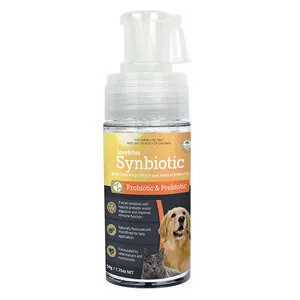
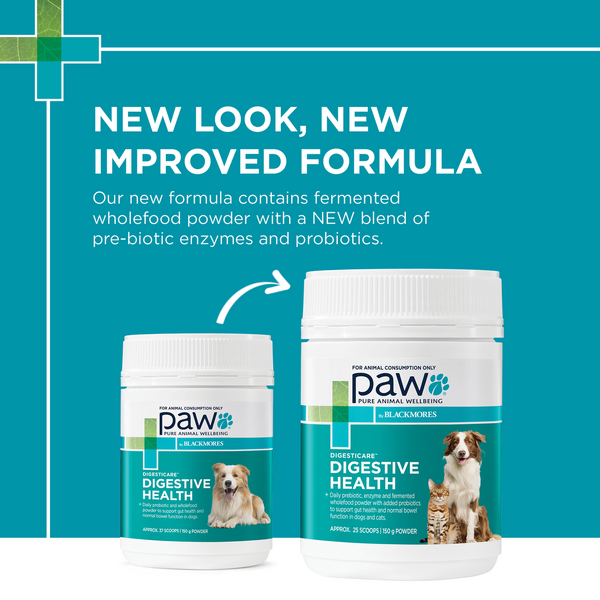
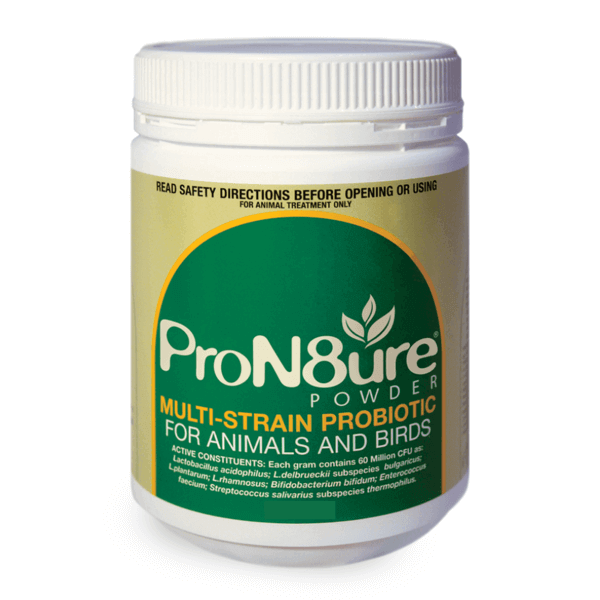
Pet Immune Support Supplements - Immunity Health for Dogs, Cats, Small Animals and Horses
A strong immune system is the foundation of a healthy, happy animal. It is what allows your pet or horse to fight off illness, recover from injury, respond to vaccinations effectively and cope with the everyday challenges of their environment. While good nutrition, regular veterinary care and a low-stress lifestyle all contribute to immune health, targeted immune support supplements can play a meaningful role in giving your animal's natural defences an extra boost, particularly during times of stress, seasonal change, illness or recovery. At The Vet Shed, we stock a carefully selected range of vet-recommended immune support products for dogs, cats, small animals and horses.
When Does Your Animal Need Immune Support?
Immune support is valuable at any life stage, but there are certain times when an animal's immune system is under greater pressure and may benefit most from additional nutritional support. These include:
- Seasonal changes - particularly the transition from warmer to cooler months when respiratory illness is more common
- After illness, infection or surgery - when the body needs extra resources to recover and rebuild
- During or after a course of antibiotics — which can disrupt the gut microbiome and reduce immune resilience
- Periods of stress - such as moving house, kennelling, travel, weaning or changes in routine
- In young animals - puppies, kittens and foals whose immune systems are still developing
- In senior animals - older pets and horses experience a natural decline in immune function with age
- In multi-animal households or animals with frequent exposure to other animals — such as those attending dog parks, shows or agistment facilities
- During pregnancy and lactation - when nutritional demands are significantly increased
Key Ingredients in Immune Support Supplements - What to Look For
Immune support supplements work through a variety of mechanisms - from supporting the gut microbiome to providing antioxidants that protect immune cells from damage. When choosing an immune supplement for your animal, look for products containing one or more of the following:
- Probiotics - beneficial bacteria that support gut health, and since the majority of the immune system resides in the gut, a healthy microbiome is essential for strong immunity
- Prebiotics - dietary fibres that feed and support the growth of beneficial gut bacteria, often combined with probiotics in synbiotic formulas
- Vitamin C - a powerful antioxidant that supports immune cell function and helps the body respond to infection and inflammation
- Vitamin E - protects immune cells from oxidative damage and supports a healthy immune response
- Zinc - essential for the development and function of immune cells, and commonly deficient in animals under stress or on restricted diets
- Beta-glucans - naturally occurring compounds found in yeast and certain mushrooms that have been shown to stimulate and modulate the immune response in animals
- Omega-3 fatty acids - in addition to their benefits for joints and skin, omega-3s have anti-inflammatory properties that support a balanced immune response
- Colostrum - rich in antibodies and immune-active compounds, colostrum supplements are particularly beneficial for young animals and those recovering from illness
- Herbal extracts - including echinacea, astragalus and elderberry, which are increasingly included in natural immune support formulas for pets
- Selenium - an essential trace mineral that works alongside vitamin E to support immune function, particularly in horses
Immune Support for Dogs
Dogs can be exposed to a wide range of immune challenges throughout their lives - from kennel cough and parvovirus in younger animals to cancer, organ disease and chronic infection in older ones. Supporting your dog's immune system with a daily supplement is particularly valuable for puppies building their immunity, senior dogs whose immune function is naturally declining, working or sporting dogs under physical stress, and dogs that socialise frequently with other animals. Probiotic supplements are among the most popular and well-researched options for dogs, with strong evidence supporting their role in gut and immune health.
- Probiotic and prebiotic supplements for gut and immune health
- Vitamin and antioxidant formulas for daily immune maintenance
- Colostrum supplements for puppies and dogs recovering from illness
- Beta-glucan and mushroom-based immune support products
- Combined immune and joint or skin formulas for multi-benefit support
- Options for puppies, adults and senior dogs
Immune Support for Cats
Cats face their own unique set of immune challenges, including upper respiratory infections, feline herpesvirus, calicivirus and feline immunodeficiency virus (FIV). Even healthy cats can benefit from immune support during stressful periods - such as moving home, introducing a new pet, or recovering from a vet procedure. Because cats are sensitive to many ingredients safe for other species, it is essential to use only cat-specific immune supplements and to check with your vet before introducing anything new.
- Cat-specific probiotic supplements for gut and immune health
- Lysine supplements - commonly used to support cats with feline herpesvirus
- Vitamin and antioxidant formulas appropriate for feline use
- Stress support supplements that combine immune and calming ingredients
- Options for kittens, adults and senior cats
Immune Support for Small Animals
Small animals including rabbits, guinea pigs and ferrets have relatively short lifespans and can be more vulnerable to immune challenges than larger animals. Guinea pigs in particular cannot synthesise their own vitamin C and require dietary supplementation to maintain immune function. Supporting the immune health of small animals through appropriate supplementation and a high-quality diet is one of the most impactful things you can do for their long-term wellbeing.
- Vitamin C supplements for guinea pigs - an essential daily requirement
- Probiotic supplements appropriate for rabbits, guinea pigs and ferrets
- Species-appropriate vitamin and mineral blends to support immune function
- Always consult your vet before starting any new supplement in a small animal
Immune Support for Horses
Horses face significant immune demands - from exposure to respiratory viruses at competitions and agistment facilities to the physical stress of heavy training and travel. A horse with a well-supported immune system is better placed to respond to vaccination, recover from illness, maintain condition through the cooler months and stay healthy in a mixed herd environment. Selenium and vitamin E are among the most commonly recommended nutrients for equine immune health, particularly in horses kept on selenium-deficient soils which are common in many parts of Australia.
- Selenium and vitamin E supplements for equine immune and muscle health
- Equine probiotic and prebiotic supplements for gut and immune support
- Beta-glucan and yeast-based immune modulators for horses in competition or stress
- Vitamin C supplements for horses under oxidative stress or recovering from illness
- Combined immune and condition formulas for convenience
- Suitable for horses, ponies and donkeys
Frequently Asked Questions - Pet Immune Support
Do healthy pets need immune supplements?
Even healthy animals can benefit from immune support, particularly during periods of increased vulnerability such as seasonal change, stress, or high exposure to other animals. Think of immune supplements not as a treatment for illness, but as a proactive investment in your animal's long-term resilience. That said, a balanced, high-quality diet is always the foundation - supplements work best when they complement good nutrition, not replace it.
Are probiotics good for dogs and cats?
Yes - probiotics are among the most well-researched and widely recommended supplements in veterinary medicine. They support a healthy gut microbiome, which plays a central role in immune function, digestion and overall health. Probiotics are particularly beneficial after a course of antibiotics, during periods of digestive upset, or as a daily supplement for animals prone to immune or gastrointestinal issues.
Can I give my cat echinacea or other herbal immune supplements?
Some herbal supplements are safe for cats in appropriate doses, but cats are sensitive to many compounds that are harmless to dogs and humans. Always use cat-specific herbal products and consult your vet before introducing any herbal supplement to your cat's routine. Never assume a product safe for dogs or humans is automatically suitable for cats.
My pet has just finished a course of antibiotics - what should I give them?
A probiotic supplement is the most commonly recommended follow-up after a course of antibiotics, as antibiotics can disrupt the natural balance of beneficial bacteria in the gut. Ideally, give the probiotic at a different time of day to the antibiotic during treatment, and continue for at least two to four weeks afterwards to help restore gut health and immune resilience.
What immune supplements are safe for senior pets?
Senior dogs and cats benefit most from a combination of probiotics for gut and immune health, antioxidants such as vitamins C and E to reduce oxidative stress, and omega-3 fatty acids for their anti-inflammatory properties. Many senior-specific pet supplements combine these ingredients in a single daily dose. Always check with your vet before starting any new supplement in an older animal, particularly if they are on medications for other conditions.
Does my guinea pig need vitamin C supplements?
Yes - guinea pigs cannot produce their own vitamin C and must obtain it through their diet or supplementation. Without adequate vitamin C, guinea pigs can develop scurvy, which causes lethargy, joint pain, poor coat condition and immune suppression. Fresh leafy greens and bell peppers are good dietary sources, but a dedicated vitamin C supplement ensures consistent daily intake regardless of diet variation.
Are immune supplements safe to use alongside other pet medications?
Most immune supplements are safe for use alongside standard veterinary medications, but there are some interactions to be aware of - for example, high-dose vitamin E can affect blood clotting in animals on certain medications. Always inform your vet of any supplements your animal is receiving, particularly if they are undergoing treatment for a health condition or taking prescription medications.
Shop Pet Immune Support at The Vet Shed
The Vet Shed is an Australian-owned online pet and animal health store with a carefully chosen range of immune support supplements for dogs, cats, small animals and horses. Whether you are looking for a daily probiotic for your dog, a vitamin C supplement for your guinea pig, a lysine formula for your cat, or a selenium and vitamin E product for your horse, we have options to suit every animal and every stage of life. Shop online with fast shipping across Australia and access expert product advice whenever you need it.
Join Our Pack!
Sign up to fetch exclusive deals, pet tips & treats straight to your inbox!



.png)