

Filter By Brand
- Equi-Prene (1)
- Hydrophane (2)
- Joseph Lyddy (2)
- Kelato (3)
- STC (3)
- Weaver (4)
CRIB STOP FOR HORSES
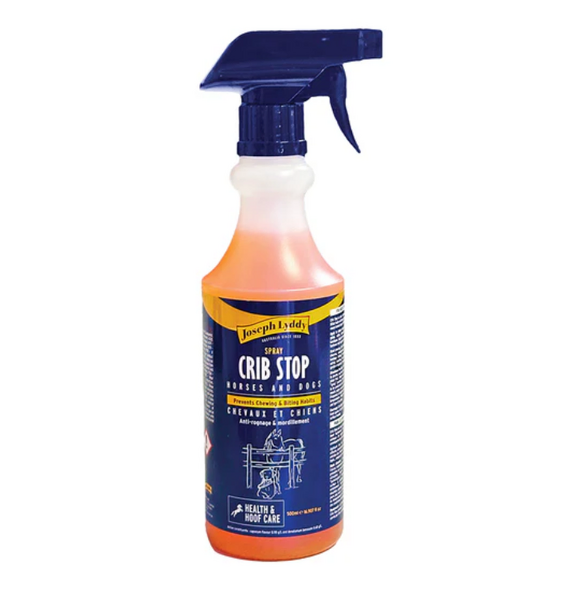
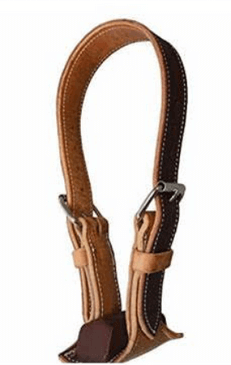
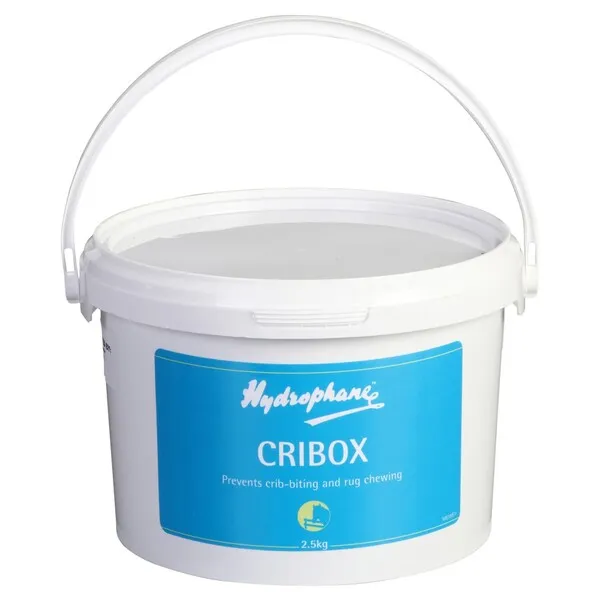
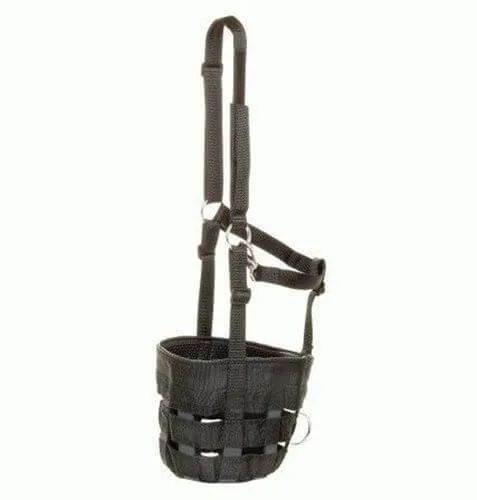

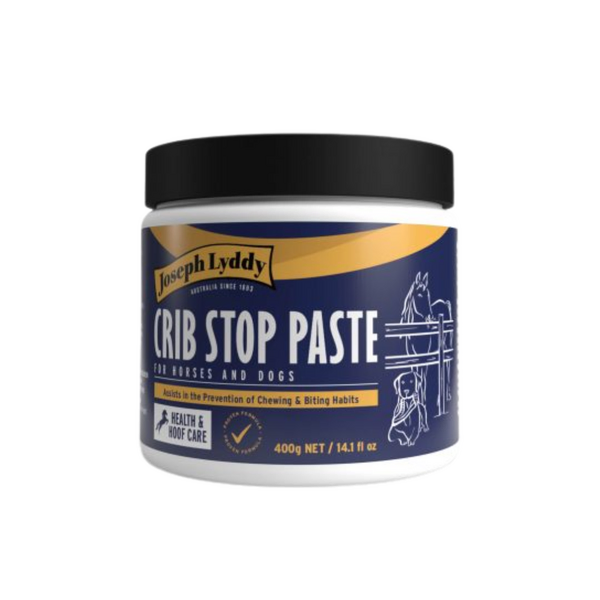
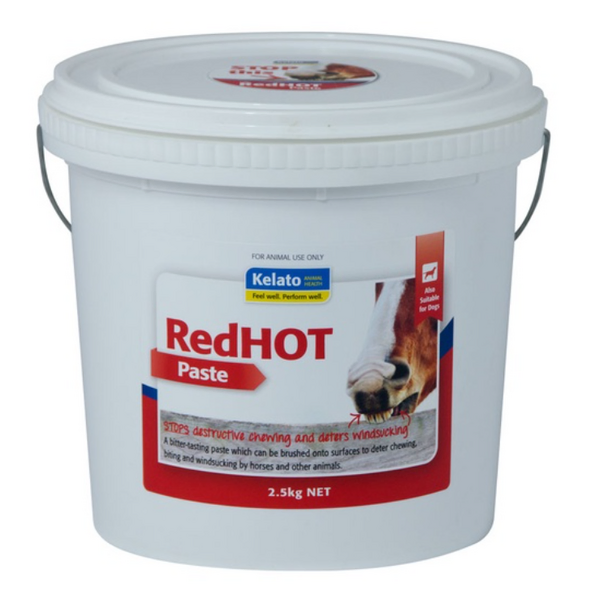
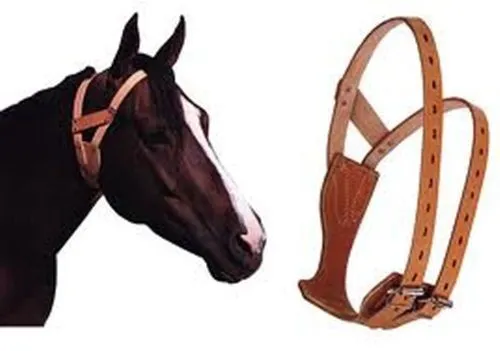
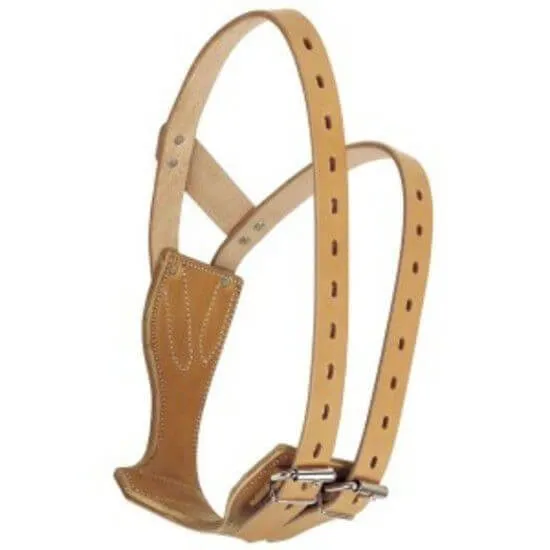
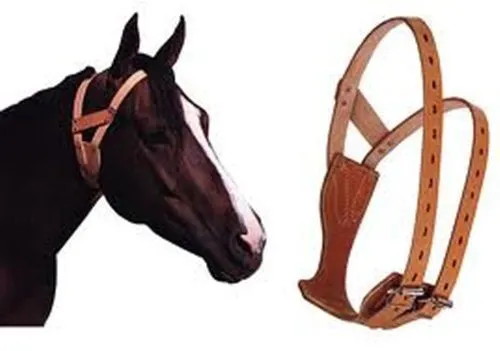
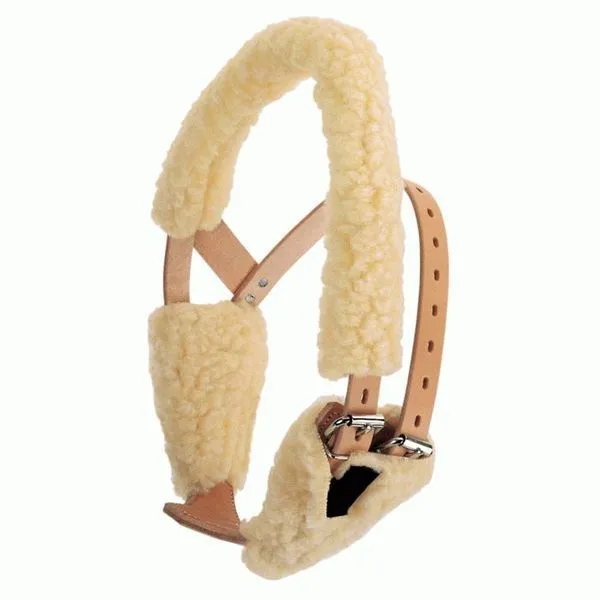
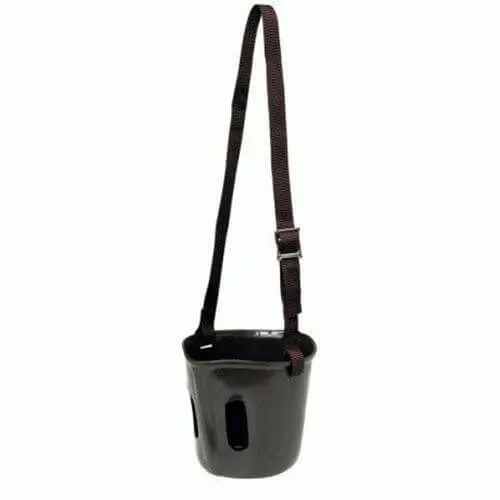
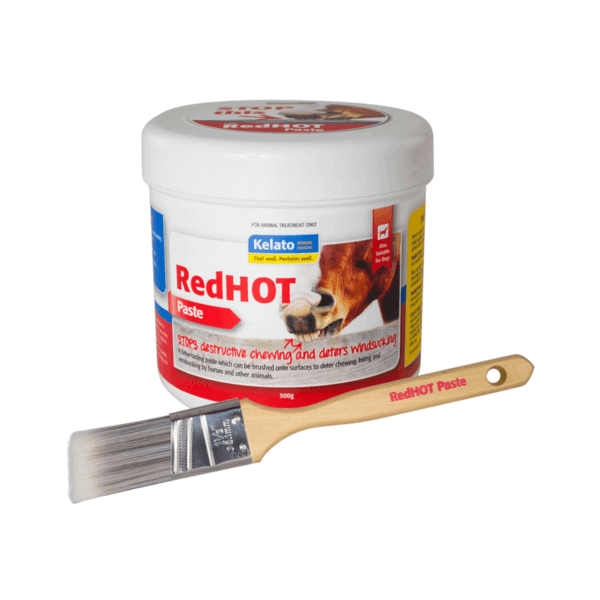
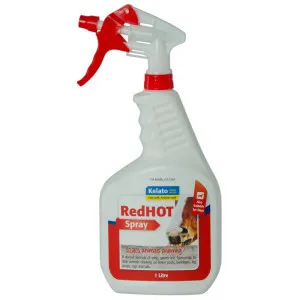
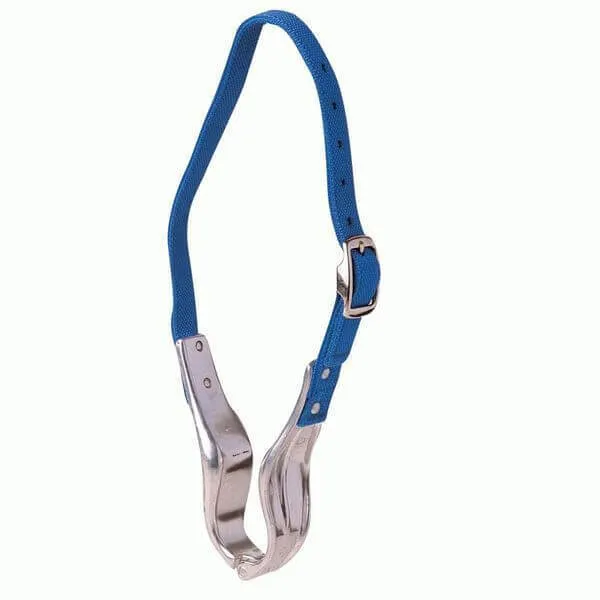
Deter your horse from chewing, biting and wind sucking. Windsucking is a potentially fatal condition that can lead to digestive problems, stomach ulcers and severe loss of health. Our windsucking collars work by applying gentle pressure to your horses throat when it tries to crib. Help your windsucking horse with our weather resistant, adjustable and strong leather collars. They are anatomically fitted to ensure they only apply pressure when your horse is cribbing - so you can leave them on with peace of mind! Our bitter, non-toxic deterrents are also proven to stop chewing!
Cribbing, also known as crib-biting or windsucking, is a compulsive behaviour seen by certain horses. The horse uses its incisor teeth to hold a solid item, such as a fence, stall door, or feed pail, then arches its neck while swallowing air. This is considered an unwanted habit and can have a detrimental impact on the horse's health as well as facility upkeep.
It's crucial to remember that cribbing behaviour can be difficult to completely eliminate, and management solutions may differ for each horse. It is suggested that you consult with a veterinarian or horse behaviour specialist for a full evaluation and personalised intervention strategy.
Join Our Pack!
Sign up to fetch exclusive deals, pet tips & treats straight to your inbox!



.png)